Building Games That Actually Connect

Back in 2019, we started with a simple thought—what if mobile games could feel less like time-wasters and more like experiences worth remembering?

We're not about chasing trends or copying what's already out there. Our team focuses on creating platforms that work smoothly and games that people genuinely want to play. It's less about polish and more about making something that feels right.

Based in Kaohsiung, we work with developers across Taiwan who care about their craft. No huge promises, just consistent work and honest results.

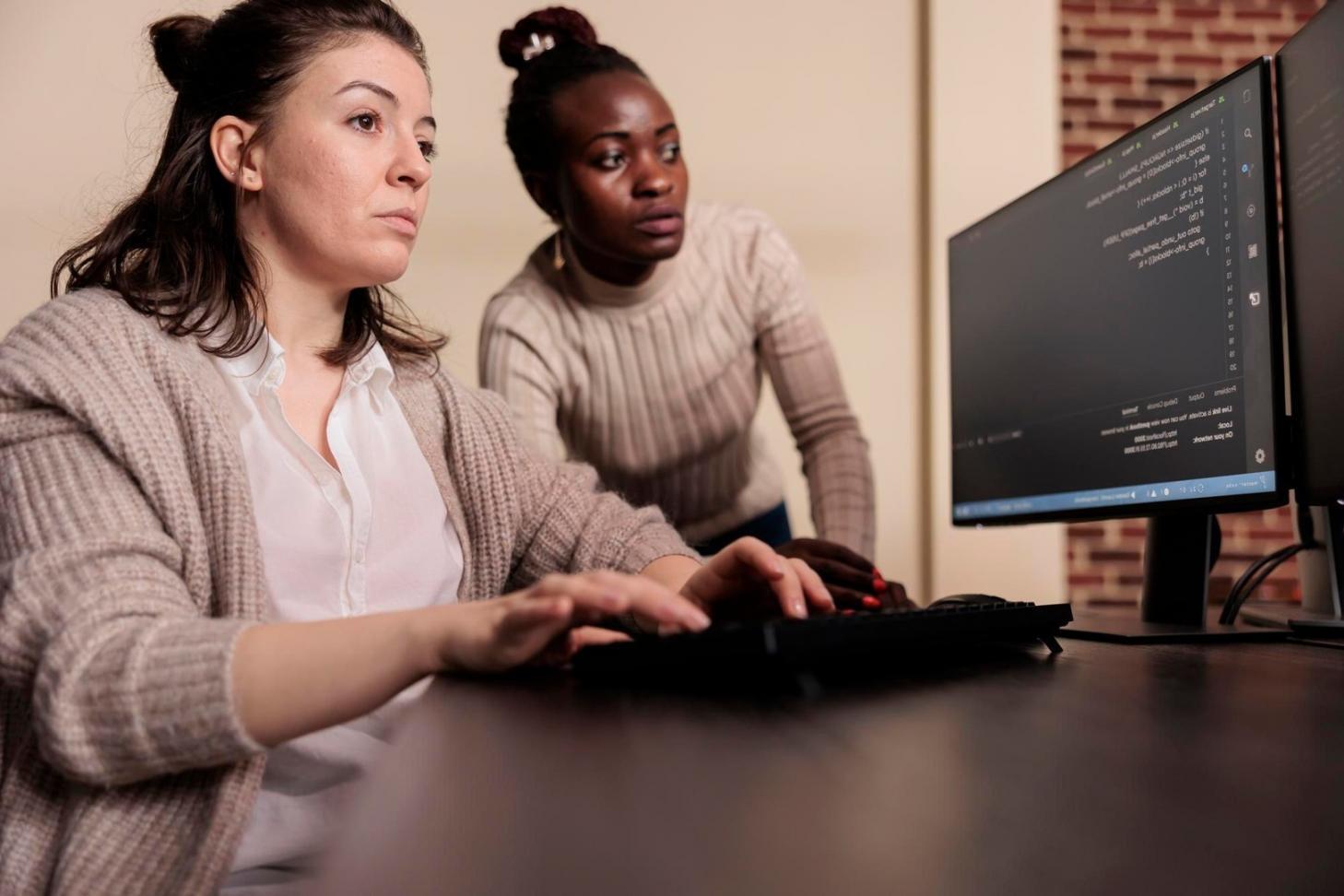
Team working on mobile game development project

People Behind the Screens

Two people who accidentally ended up building something bigger than they planned.

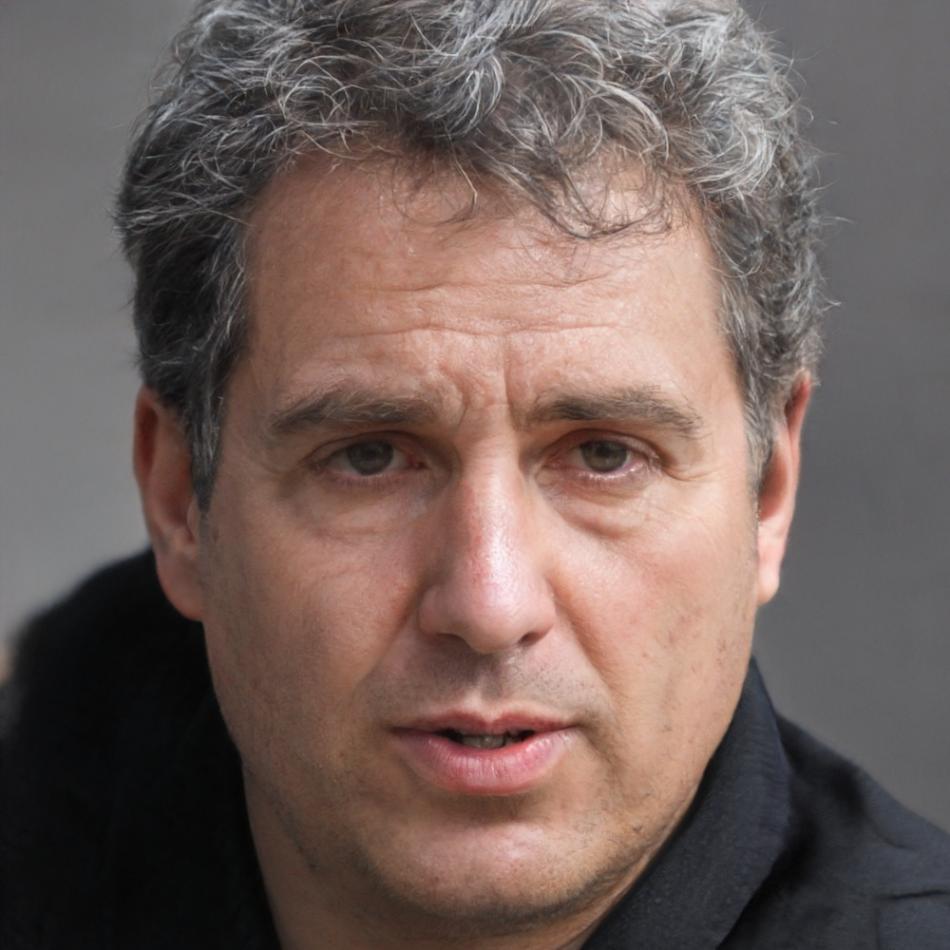
Jorgen Lindstrom

Jorgen Lindstrom

Technical Director

Used to fix broken game engines at 3 AM. Now I just break them intentionally to see what happens. Started coding when I was 14 and never really stopped. Spent five years at a studio in Stockholm before moving here—turned out Taiwan had better food and more interesting problems to solve. I handle the backend stuff that nobody sees but everyone complains about when it breaks.

Naomi Tsai

Naomi Tsai

Creative Lead

Dropped out of design school to work on an indie game that never shipped. Best decision I made, honestly. Learned more in that year than four semesters combined. Now I oversee everything visual and make sure our games don't look like they were made in 2012. Also the person who argues with Jorgen about whether features are actually feasible. Sometimes I win.

What Actually Matters to Us

Not corporate buzzwords. Just the things we refuse to compromise on when building games.

Performance First

Games should run smoothly on devices people actually own, not just the latest flagships. We test on older phones because that's reality for most players.

Honest Monetization

No dark patterns or predatory mechanics. If we wouldn't want our friends playing it, we don't build it. Simple as that.

Real Feedback Loops

We actually read player reviews and adjust based on what makes sense. Not every suggestion works, but listening always does.

Local Understanding

Taiwan's gaming market has its own rhythm and preferences. We know it because we live it, not because we read a report about it.

From Basement to Studio

Started in a tiny office above a noodle shop. The smell was distracting but rent was cheap. Our first game took eight months and made almost nothing.

Second one did better. Third one actually paid the bills. By 2022, we moved to a proper space and brought on contractors who knew what they were doing.

These days we work with about a dozen freelancers across different projects. Some have been with us since the noodle shop days. They're the ones who remember when our biggest problem was finding desk space.

We're planning three new platform releases for late 2025. Ambitious? Maybe. But we've learned a lot since that first game nobody played.
Early development workspace Team collaboration session Current studio environment